Insights
Scroll Down
Insights
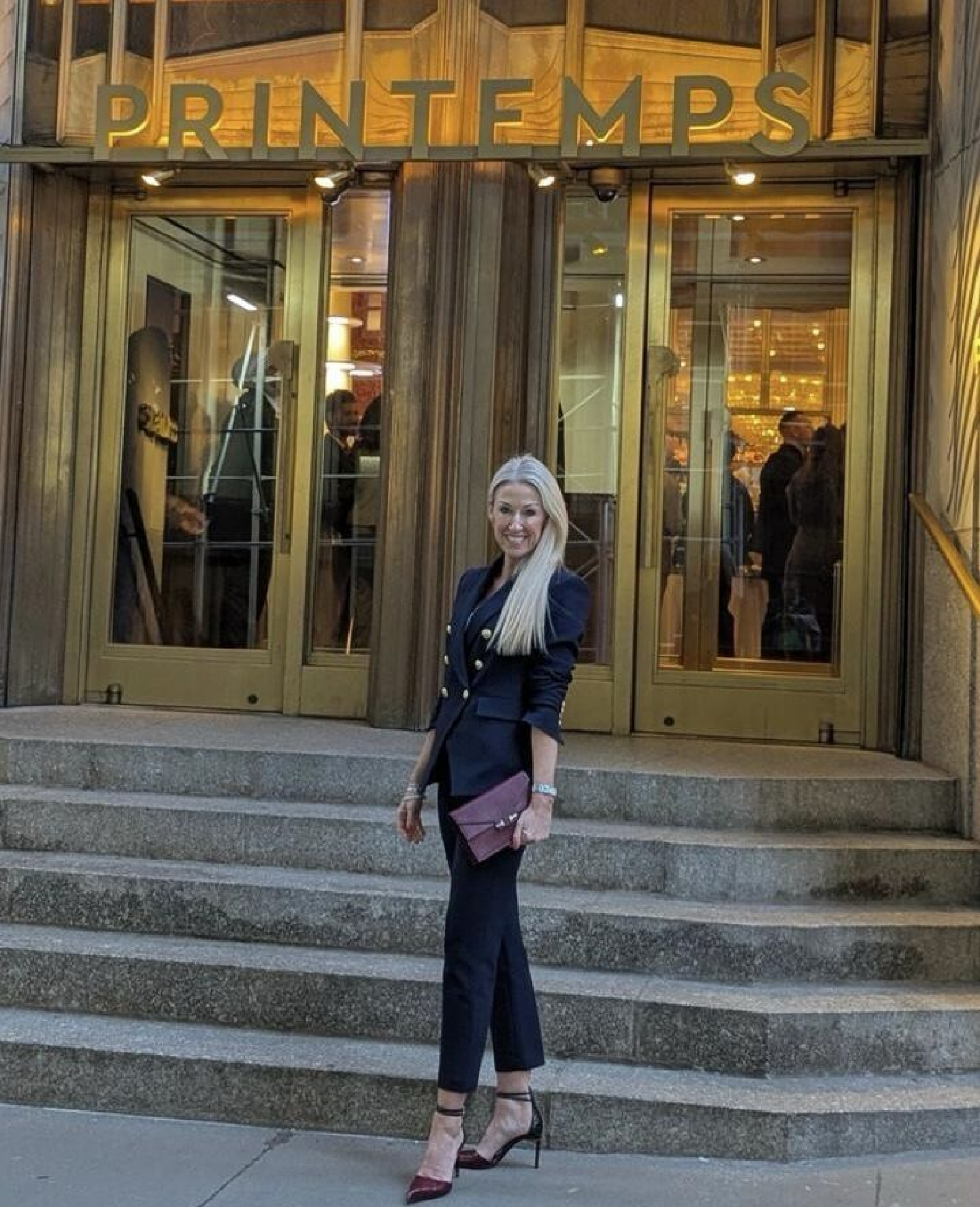
One year on from its opening in New York—and experiencing the space during its anniversary this week—Printemps remains one of the more compelling case studies in how a heritage European brand can translate itself into a highly competitive US market.
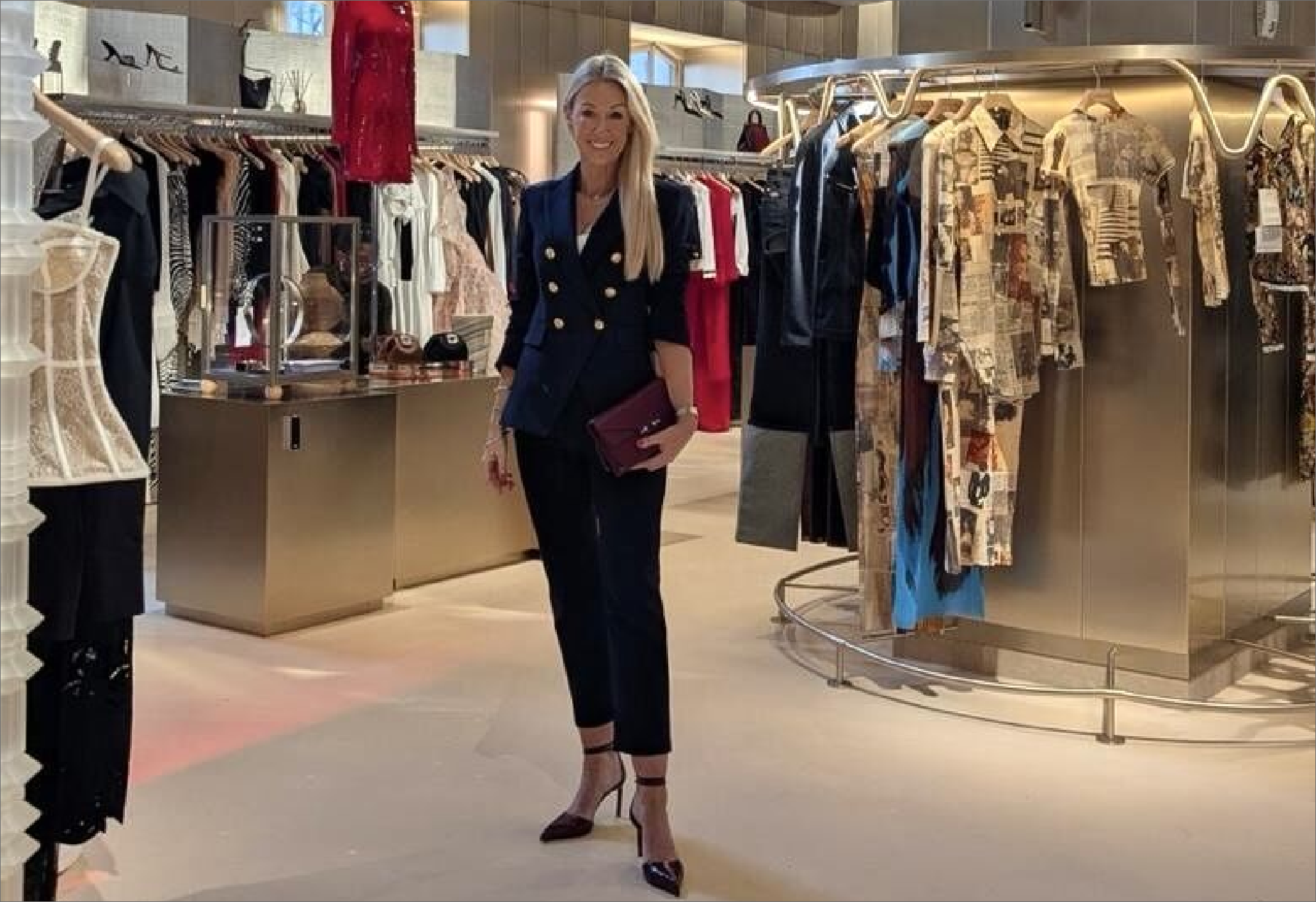
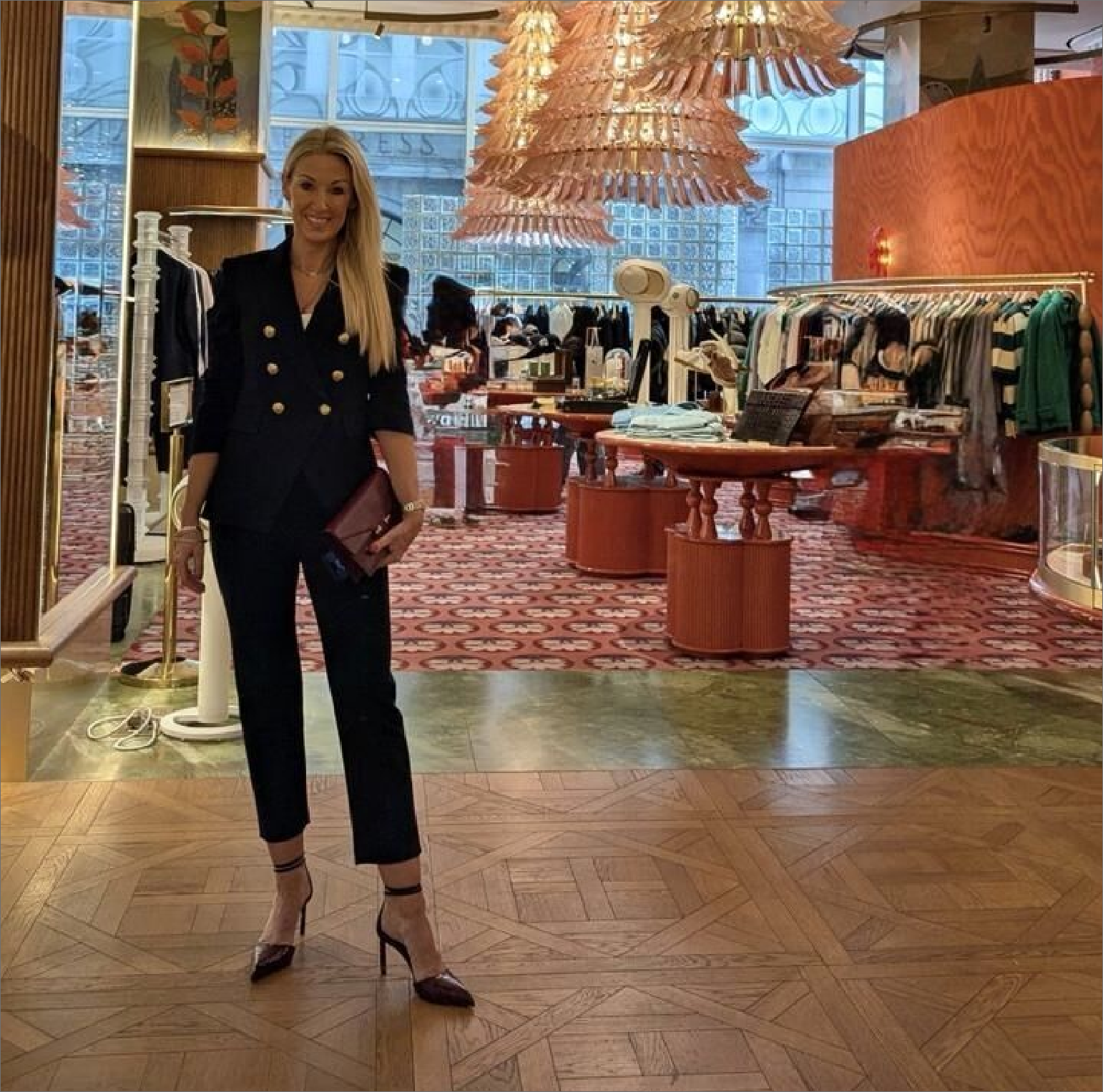
Set within One Wall Street, the project is as much about location as it is about intent. Rather than replicating a traditional department store model, the space has been conceived as a sequence of environments—blurring the lines between retail, hospitality and experience.
There is a clear emphasis on movement and mood: from intimate, almost residential beauty spaces to expansive fashion floors designed for discovery. It reflects a broader shift in luxury retail, where differentiation is no longer driven by product alone, but by how a client experiences the brand in physical space.
The transitions are seamless, almost understated—but that is precisely the point. In a market like New York, where consumers are highly attuned, it is this level of nuance that defines whether a concept resonates or disappears.
Under the leadership of Thierry Prevost the New York opening signals a considered approach to international expansion—one that prioritises context over replication.
What is particularly interesting is how this approach differs from expansion strategies in less saturated markets. In New York, success is not about scale—it is about precision: how to create something distinctive in a city that has seen every iteration of luxury retail.
Across the US, Middle East, India and Europe, the pattern is increasingly clear: the brands that succeed are those able to adapt their identity without diluting it.